

Why Some Boise Patients Need Rubber Bands with Braces
If you’re getting braces, you might expect brackets and wires to do all the work.
While those components are essential for straightening teeth, they don’t always solve every part of a bite problem on their own. That’s where rubber bands—also called orthodontic elastics—come in.
At Alexander Hoffman Orthodontics, with locations in Boise and Eagle, patients are often surprised to learn that elastics play a major role in finishing treatment. They may be small, but they help guide your bite into proper alignment and improve how your upper and lower teeth work together.
Understanding why rubber bands are used, how they work, and what to expect can make your orthodontic experience smoother and more predictable.
What Are Orthodontic Rubber Bands?
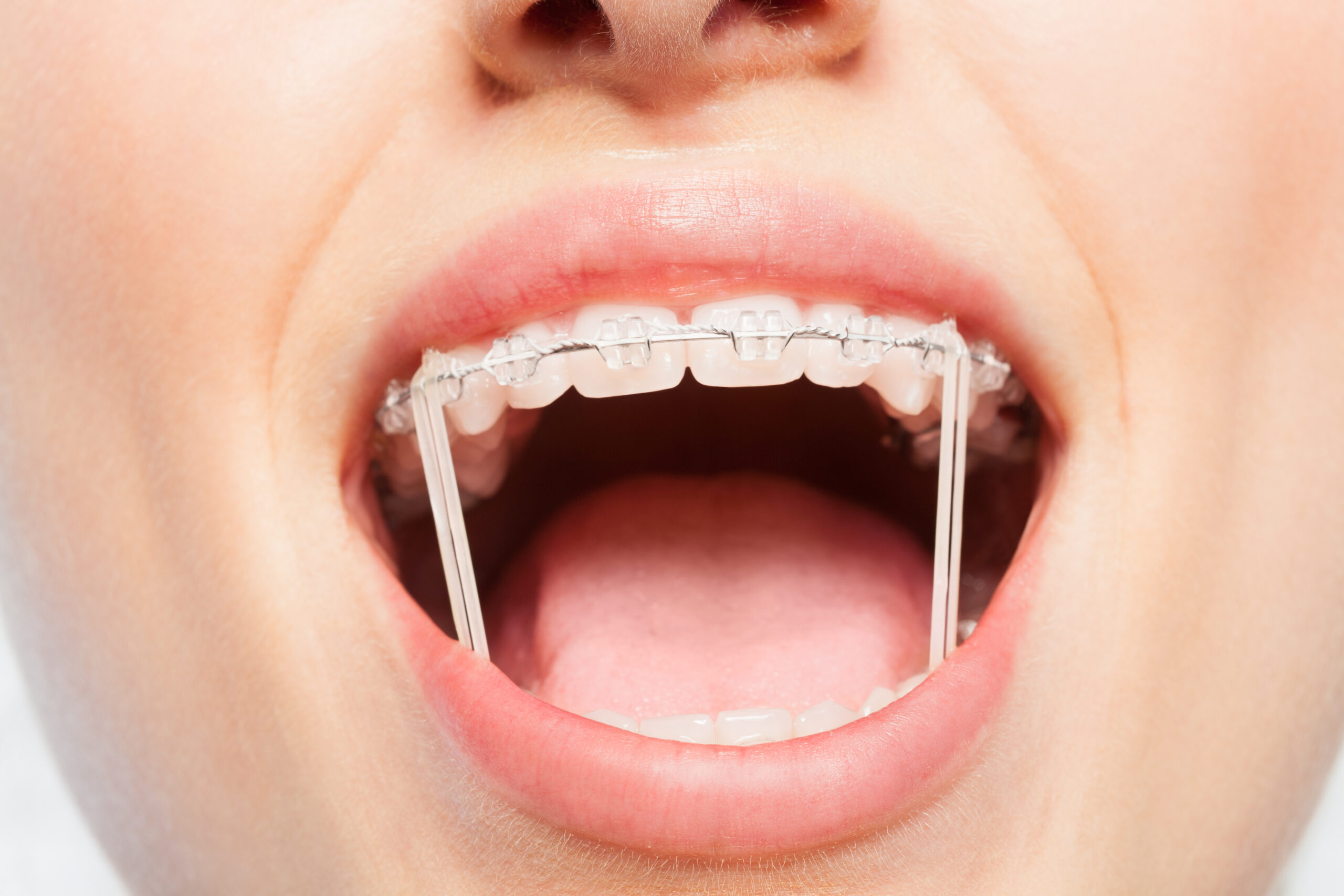
Orthodontic rubber bands are tiny, stretchy elastics that attach to small hooks on your braces. They connect the upper and lower teeth in specific patterns designed by your orthodontist.
Unlike braces alone, which primarily move teeth into better positions, rubber bands help correct how your bite fits together. This includes improving how your molars meet, adjusting jaw alignment, and fixing overbites, underbites, and crossbites.
They come in different sizes and strengths depending on your treatment needs. Even though they are small, they apply steady pressure that guides the teeth and jaws into better alignment over time.
Why Braces Alone Are Not Always Enough
Braces are extremely effective at straightening teeth, but they work primarily within each arch—top and bottom separately. In many cases, however, the real issue is not just crooked teeth, but how the upper and lower jaws interact.
For example, you might have perfectly straight teeth that still don’t meet correctly when you bite down. This can lead to uneven wear, jaw discomfort, or difficulty chewing.
Rubber bands help bridge this gap. They connect both arches and encourage coordinated movement so the bite functions properly as a whole system. Without elastics, some bite issues would remain even after braces are removed.
At Alexander Hoffman Orthodontics, elastics are used strategically to ensure treatment results are not only cosmetic, but also functional and long-lasting.
Common Reasons Patients Need Rubber Bands
Not every braces patient will need elastics, but they are commonly used in cases involving bite correction. Some of the most common reasons include:
Patients with an overbite, where the upper teeth extend too far over the lower teeth, may use elastics to gradually bring the bite into balance. In cases of underbite, where the lower jaw extends forward, rubber bands help guide the upper and lower jaws into better alignment.
Crossbites, where upper and lower teeth don’t line up properly on one or both sides of the mouth, can also be improved with elastic wear. In some cases, elastics are used to close gaps between teeth or to help fine-tune spacing before braces are removed.
Because every smile is different, the exact pattern and duration of elastic wear will vary from patient to patient.
What Wearing Rubber Bands Feels Like
When patients first start wearing elastics, they often describe a feeling of pressure rather than pain. This is normal and expected. The pressure is what allows the teeth and jaws to gradually shift into alignment.
The first few days may feel slightly uncomfortable as your mouth adjusts, especially when eating or speaking. However, most patients adapt quickly and stop noticing them after a short time.
It’s important to remember that consistency is key. Rubber bands only work when they are worn exactly as instructed. Taking them off too often or forgetting to replace them can slow down treatment progress.
How to Wear Rubber Bands Correctly
Your orthodontist at Alexander Hoffman Orthodontics will give you specific instructions on how and when to wear your elastics. This may include wearing them full-time or only at night, depending on your treatment plan.
Most patients are advised to change their rubber bands several times a day because they lose elasticity over time. Fresh elastics ensure that the correct amount of pressure is being applied continuously.
It’s also important to carry extra elastics with you so you can replace them if one breaks or comes off. Building this habit helps keep your treatment on track and prevents unnecessary delays.
Tips for Adjusting to Elastics
Adjusting to rubber bands can take a little time, but there are simple ways to make the process easier. Soft foods can help during the first few days if your teeth feel sensitive. Speaking may feel slightly different at first, but this improves quickly with practice.
Staying consistent is the most important factor. Patients who wear their elastics exactly as directed often finish treatment faster and achieve better results.
If you ever feel unsure about placement or wear schedule, it’s always best to check in with your orthodontic team rather than guessing.
How Long Will You Need Rubber Bands?
The length of time you’ll need elastics depends on your specific bite issues and how your teeth respond to treatment. Some patients may wear them for just a few months, while others may need them for a longer portion of their braces journey.
Even if your teeth start to look straight early on, elastics may still be needed to ensure your bite is fully corrected. This step is crucial for long-term stability and comfort after braces are removed.
Why Compliance Matters
Rubber bands are one of the most important “do-it-yourself” parts of orthodontic treatment. Unlike braces, which work continuously once placed, elastics rely heavily on patient cooperation.
Wearing them consistently as directed can significantly shorten treatment time and improve final results. On the other hand, inconsistent wear can extend treatment and affect the quality of your outcome.
At Alexander Hoffman Orthodontics, patient education and support are a key part of ensuring success. The team works closely with patients to make sure they feel confident managing their elastics at home.
Start Your Orthodontic Journey with Confidence
Rubber bands may seem like a small detail, but they play a big role in creating a healthy, functional, and balanced smile. They help ensure that your teeth not only look straight, but also fit together properly for long-term comfort and stability.
If you or your child are considering braces, or if you’ve been told elastics will be part of your treatment plan, the team at Alexander Hoffman Orthodontics is here to help every step of the way.
With multiple convenient locations across Boise and Eagle, including East Boise, Downtown Boise, Southwest Boise, and Eagle, expert orthodontic care is always close by. Whether you’re just starting your journey or already in treatment, personalized care and guidance are available to help you achieve your best smile.
Schedule a consultation today with Alexander Hoffman Orthodontics and take the next step toward a confident, healthy smile.